Free guide · For founders and business owners
Lead at home with the same clarity you lead at work.
Three micro moment strategies for people building a business
while raising a family. Each one small enough to fit
the week you already have.
From 25 years alongside children, families and schools across Australia and New Zealand.
Free. Sent straight to your inbox.
Send me the free guide →





The Connection Advantage™ · Founder Edition
You lead with clarity at work. At home, the calendar keeps deciding for you.
You walk in still holding the last call.
Your child wants five minutes and gets three, with one eye on a notification.
Weekends turn into logistics, and the moments you meant to be present for pass quickly.
None of this means something is wrong with your family. It means the rhythm at home has never been designed with the care you give your business. That is a solvable problem, and it does not need more hours. It needs the right small moments, placed in the right spots, and held consistently.

Work comes home, and home comes to work
59% of working parents handle work during time with their children, and 70% handle parenting tasks while they work.
The boundary is the first thing to protect.
Pew Research Center, 2,242 US working parents, March 2026

The phone at the table matters
In a study of 170 families, even low levels of everyday phone interruption during family time were linked with more emotional and behavioural difficulties in young children.
Small interruptions add up. So do small, intentional moments.
McDaniel and Radesky, Child Development, 2018
Achievement pressure reaches children early
Research on young people in high achieving communities has found higher rates of anxiety and low mood than national norms, and close relationships with parents as a protective factor.
Connection is the counterweight to pressure.
Suniya Luthar, research on youth in high achieving schools
Inside the guide
Three strategies, written for people who run things.
The handover
Strategy one
A 90 second reset between work and home, so your children meet you and not your inbox.
The ten minute window
Strategy two
Short, predictable, undivided time that tells a child they matter, held in the diary like any standing meeting.
Ask about the person, not the performance
Strategy three
The question that tells your child their worth is not on the scoreboard, and becomes their compass for tomorrow.
Why it works
Children read our state before they hear our words.
The small, everyday moments teach a child how they see themselves. The drive home, the first five minutes through the door, the question asked at dinner. When those moments are designed rather than left to chance, children feel the difference quickly, and so do you.
We start with what already works in your family and build from there. No blame, no scripts, and nothing that adds more to an already full life.

"How a child feels in our presence
becomes part of how
they see themselves."
25+ years
Alongside children, families and schools
Australia and New Zealand
5,000+ children supported
And thousands of parents, educators and leaders
Primary, secondary and early childhood
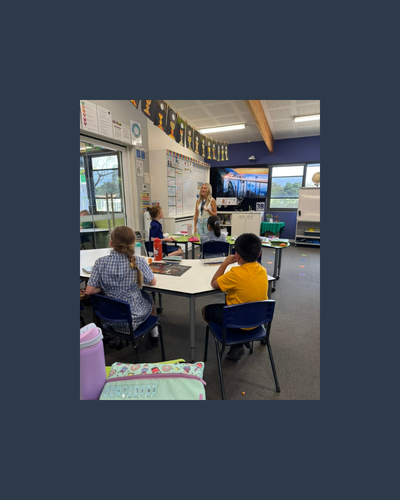
Homes, classrooms and workplaces
Families, schools and organisations
Now working privately with founders and business owners
Trusted across:
Families · Founders and Business Owners · Schools
Australia · New Zealand · International

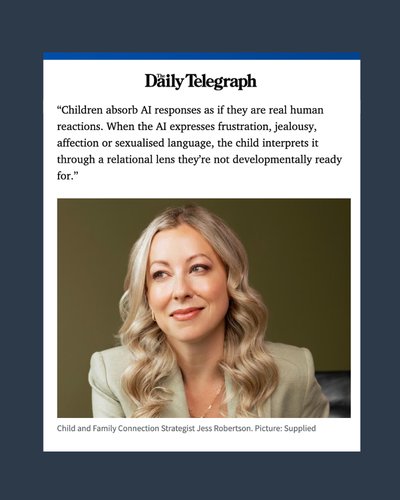
I'm Jess Robertson, a Child and Family Connection Strategist. For more than 25 years I have worked alongside children, families, schools and organisations across Australia and New Zealand, supporting more than 5,000 children and thousands of adults.
I'm Masters trained, with an educator background and training in family systems, neurodiversity and relational approaches. I am also a parent, and I know what it is to build something while raising a family.
I work with a small number of founders and business owners at a time. Discretion is part of how I work, and every plan is built around the family in front of me.
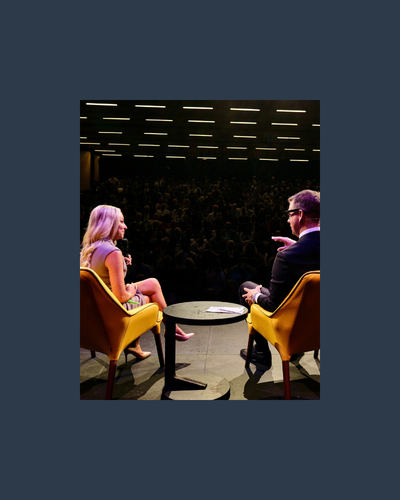
Called on by national media and education leaders
When real insight into children and connection is needed, Jess is the voice that media, schools and organisations turn to.
When the adults in a child's world are empowered, the child experiences themselves as empowered too.